

Food for thought:lessons from the Michelin Guide for pivoting your strategy
- ian87701
- Jan 22
- 8 min read
As George Bernard Shaw wrote There is no love sincerer than the love of food, and with the emergence of celebrity chefs with personal brands and social media influencers, anyone can have an opinion on food, but not everyone can be an authority. Michelin will always have its critics, but discerning diners continue to seek it out as the defacto voice and guide of quality eateries.
It began with a guide to French roads. In 1900 brothers André and Édouard Michelin, wanted to promote travel by car as a route to rev up sales of their tyres. Their first book gathered practical information such as maps and the locations of mechanics. Recognising that travellers want fuel for themselves as well as their vehicles, it expanded its restaurant recommendations. The company’s first star-ranking system was published in 1926.
Since then, over 30m copies of the Michelin Guide have been sold, making it as widely read as Gone with the Wind. Michelin’s taxonomy has become the restaurant industry’s standard. Only the most exalted eateries earn a star - of the 12m places that serve food in the world, only 3,647 (or 0.03%) currently hold at least one.
Of those, 82% have one star, denoting an establishment where dishes with distinct flavours are prepared to a consistently high standard; 13.6% have two stars, in acknowledgment of their refined and inspired offerings that show the personality and talent of the chef. Only 149 restaurants have three stars, the highest honour. According to Michelin, they are institutions where cooking is elevated to an art form and chefs are at the peak of their profession.
Gordon Ramsay, who holds eight stars, has said that Michelin stars are to chefs what Academy Awards are to film-makers. And just as an Oscar encourages people to go to see a film, recognition from Michelin can boost reservations. Joël Robuchon, who held 31 stars at the time of his death in 2018, observed that With one Michelin star, you get 20% more business. Two stars, you do about 40% more business, and with three stars, you’ll do 100% more patronage.
In recent years, however, the star system has lost some of its lustre. Michelin’s status as the ultimate arbiter of taste seems to be under threat. One problem is its longtime emphasis on fine dining. Many associate Michelin with hefty prices, minuscule portions and pretension. In a discussion about rated restaurants on Reddit, users complained of gimmick-driven shit. You won’t appreciate it unless you have so much money to waste that your time is completely worthless one person wrote, because you have nothing better to do than spend three hours eating two morsels of food. Ouch!
Gwendal Poullennec, international director of Michelin Guides, insists the company looks for quality, not luxury. A taco stand in Mexico City won a star in May, for instance. Even so, diners are not the only ones turned off. A handful of establishments are refusing the prize. British chef Marco Pierre White started the trend in 1999 when he said he felt that the judging process was meaningless. Giglio in Tuscany won a star in 2019 but voluntarily gave it up in 2024. Benedetto Rullo said the star brought incredible stress and implied a snooty vibe: We’re not the kind of place you come to worship star chefs.
The mental health impact on chefs working in Michelin-starred environments has become real. Multiple journalistic investigations have documented extreme working hours, kitchen abuse, and the correlation between Michelin pressure and chef suicides, including high-profile cases like Bernard Loiseau and Benoît Violier.
The internet poses the greatest challenge to Michelin, as it has democratised food criticism. Diners can share reviews on websites such as TripAdvisor; bloggers collate lists of the best local spots; influencers dish up assessments on social media. Videos about food on TikTok have a trillion views.
Posts by Toby Inskip (@eatingwithtod), an influencer, have amassed more than 25m likes on the app. They show him avidly tucking into chicken wings as well as costly tasting menus. At a time when 80% of us say going out to eat is too expensive, such sites and accounts can point to trendy new spots and affordable treats for foodies. Inskip often focuses on cheap dishes in London. Queues soon gather at the joints he highlights. Is Michelin heading into culinary oblivion and irrelevance?
People are becoming more adventurous and curious about their food; Michelin, too, is opting for a more varied diet. France still has the highest number of starred restaurants and Michelin sends reviewers to four continents, producing guides to 43 countries; the number of guides has increased by almost 50% since 2020. Michelin added several new destination guides in recent years, including Dubai in 2022 to reflect the rapid emergence of a significant new market.
However, the Michelin Guide finds itself at a literal and metaphorical crossroads, navigating the shift from its traditional roots as a printed travel book to its new identity as a global, digital-first lifestyle authority. As it attempts to maintain its century-long authority in a rapidly evolving global food scene, like the demise of newspapers and cameras, the market has move on. It is no longer the only tastemaker in town.
The red guide that once dictated fine dining’s entire ecosystem is facing questions it hasn’t had to answer before, as a generation of diners discover restaurants on TikTok before they even think about checking Michelin’s ratings. The guide still commands reverence in certain circles, still drives reservations and careers. However, the conversation around whether it remains the ultimate arbiter of culinary excellence has shifted from reverence to debate, and that shift itself tells you something about the guide’s evolving place in modern food culture.
So how have they responded to the seismic shifts in their core market, where content and distribution models have been upended? What are the lessons to take into your own business thinking when disruption make your offering potentially obsolete in the face of new competitors eating you market share? Here are potential strategic pivots to consider.
1.The adjacent market move: sell your existing product to a new audience. Inaugural guides to Lithuania and Mexico were launched in 2024. Restaurants in Slovenia and Thailand recently earned three stars for the first time. Michelin is expanding to new locations in India. In America, only New York was deemed worthy of review 20 years ago. Now foodies can get recommendations for Atlanta, Chicago and Orlando. Places eager to lure gastro-tourists understand the prestige of a Michelin Guide.
Michelin’s judges have been paying attention to hawker stalls and street-food vendors as well as haute cuisine. Since 1997 the Bib Gourmand award has spotlighted restaurants that offer a complete quality menu for a reasonable price. The company is cognisant of the importance of the category: there are almost as many Bib Gourmands as there are starred restaurants. Of the 3,274 Bib Gourmands, 134 of them are street-food vendors, with a history of cheap, informal dining, rewarding local, authentic cooking. The category appeals to those put off by the frippery a star implies.
The company is also catering to a growing cohort of climate-conscious eaters, with the Green Star, given to restaurants that demonstrate a commitment to sustainability. So far only 608 have qualified, noting restaurants are making a great effort to balance their menus with plant-based offerings to satisfy the 1.5bn vegetarians and 88m vegans worldwide.
2. The new solution move: sell a new product to your existing audience. The ‘Halo’ Strategy reflects the value and trust in a brand such that it can create a new offer that will get traction with existing customers. The Michelin Guide currently holds a dominant position as the gold standard of culinary prestige, but needs to be agile in adopting new channels and new routes to market to maintain its influence.
Michelin has expanded into tourism consulting, operating as a partner to national tourism boards. Destinations like New Zealand, The Philippines and Saudi Arabia are 2026's primary expansion targets. National Tourist Boards are paying partnership fees to cover the costs of inspectors in exchange for global visibility, whilst Michelin maintain they remain an independent voice,
Having completed its hotel rating system (‘The Key’), Michelin now competes directly with platforms like Forbes Travel Guide and The World’s 50 Best Hotels, positioning itself as a 360-degree luxury travel ecosystem. Just as the Guide sits at a crossroads between food and travel, Michelin Keys is the hotel equivalent of Stars. The Guide has transitioned from being a traditional restaurant directory to a multi-platform global authority on luxury travel and lifestyle. This move positions the brand to own the entire luxury ‘Art of Living’ journey, from where you sleep to where you eat.
3. Digital Transformation: pivot to a digital distribution strategy. Social media has democratised restaurant discovery in ways that fundamentally challenge Michelin’s gatekeeping role. A single viral TikTok or Instagram post can generate more immediate business impact than a Michelin star, particularly for restaurants targeting younger demographics. Research finds that 90% of diners check online reviews before visiting a restaurant, and that peer reviews influence decisions more than professional criticism across most demographics.
Michelin has adopted two new content strategies in response to this:
Faster time-to-market: Using advanced CMS tools, Michelin has reduced its digital review publishing time from days to minutes.
Live Selection Strategy: Moving away from the once-a-year ‘big reveal’, the Guide now releases monthly live updates to its digital apps, keeping users engaged year-round and allowing the brand to capture trending restaurants in real-time.
4. Capturing new, emerging markets: ‘New Era’ dining trends. From Print to Digital Ecosystem, the Guide has moved almost entirely away from the physical Red Book to a service-based platform. This includes integrated booking systems, AI-powered personalised itineraries, and real-time additions.
There are specific structural market shifts that Michelin is leveraging for growth, not just an existing product to a new audience move:
The Bib Gourmand category highlighted above is expanding rapidly as diners seek ‘satisfaction over status’ amid rising costs, leveraging a dramatic change in consumer behaviour.
The Green Star Surge: Sustainability is no longer a niche. Michelin is positioning the Green Star as a primary metric, responding to a market where 2026 diners prioritise transparency to cooking.
Emerging Gastronomic Hubs: Growth is focused on non-traditional markets. Significant activity is seen in: Poland, Czechia and the Nordics, highlighting contemporary diningin Europe, and the American South & Route 66, a strategic play to capitalise on the centennial of the iconic highway.
Connected Services: Michelin is integrating restaurant and hotel bookings directly into the infotainment systems of premium EVs like Tesla and Porsche.
Summary: Will these efforts be enough to keep Michelin on the road for another century? The firm says traffic to its website has doubled in the past year. Time and constancy work in its favour. Whereas food influencers may visit a restaurant once and paid by the owners to film a glowing video, Michelin’s expert reviewers have a standardised approach visit several times and tell no one who they are or that they are going. They remain the most respected and relevant arbiter of culinary excellence – for now.
The guide’s survival isn’t in question. Michelin has brand recognition, financial resources, and institutional support that ensure its continued existence. What’s uncertain is whether it will remain the definitive voice in global dining or gradually become one respected opinion among many. The Guide has been criticized for a significant gender gap; for instance, in 2024, only six of 52 new French stars were awarded to female-led restaurants, so there is still work to sustain brand legitimacy.
Michelin Group aims for 20% of total sales to come from non-tyre businesses by 2030. The Guide is the centrepiece of this ‘Michelin in Motion’ strategy. The new Guide is released February 9 and keep an eye out for the Winter Olympics (February 6 to 22), with a focus on the Dolomites, Italy, coinciding with the Winter Olympics, where ‘High-Altitude Gastronomy’ is the trending category.
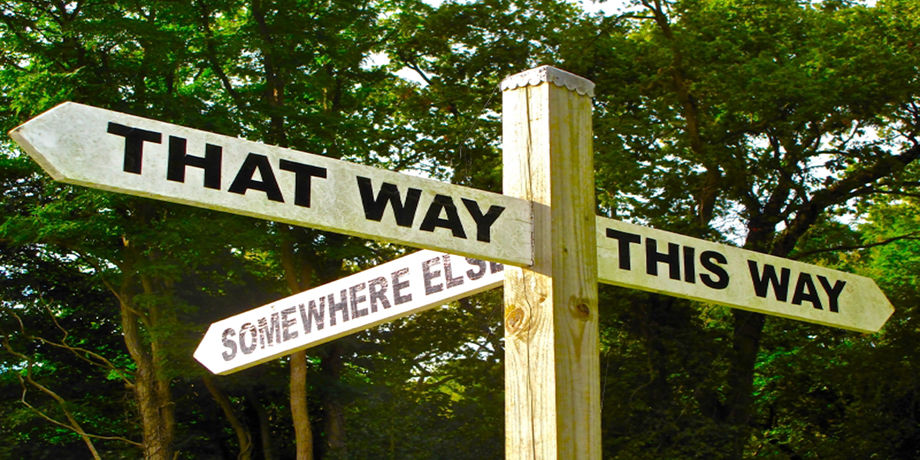
Michelin faces the challenge every legacy institution confronts when culture shifts: adapt comprehensively and risk alienating traditionalists, or maintain standards and risk becoming increasingly irrelevant to new generations who discover and evaluate restaurants through entirely different mechanisms. The strategic options highlighted above can be applied to any business model as growth drivers of vectors to respond to threats, so consider them for your own venture.


Comments